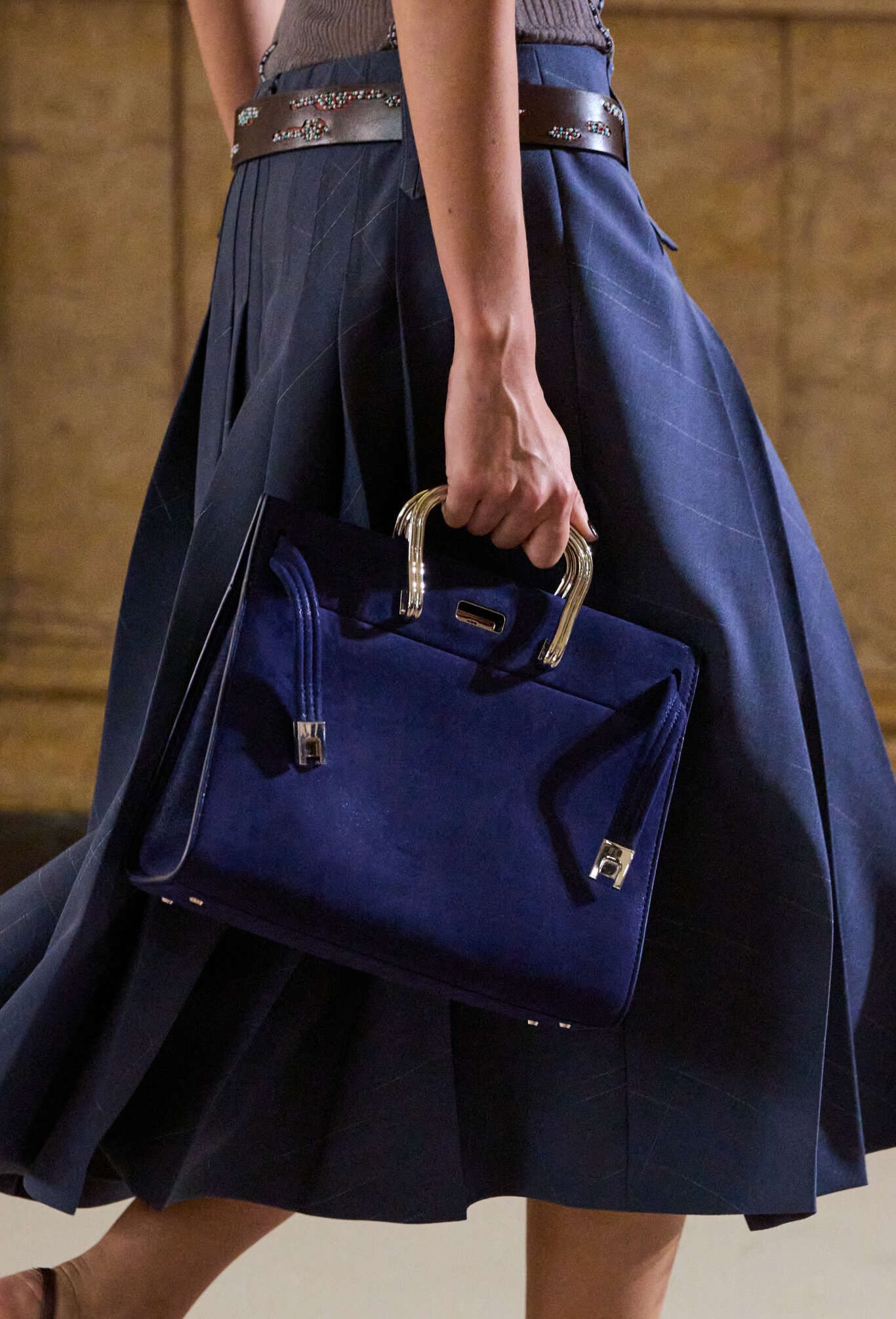
The luxury handbag market is evolving into one of the most dynamic sectors within global fashion, driven by consumer demand for quality, exclusivity, and sustainable innovation. According to recent projections, the market is expected to reach USD 52.3 billion by 2035, growing at a steady CAGR of 5.5%. This expansion reflects how handbags are no longer just accessories but statements of identity, investment pieces, and cultural touchstones.
Key Drivers of Growth
The handbag industry’s momentum is shaped by changing consumer behavior, digital platforms, and sustainability demands. Several trends stand out:
-
Rising Disposable Income: Emerging economies are experiencing higher purchasing power, expanding the global base of luxury consumers.
-
Digital Luxury Commerce: E-commerce platforms, influencer collaborations, and AR try-ons are reshaping shopping habits.
-
Sustainability and Ethical Practices: Eco-conscious buyers are favoring brands that use recycled materials, vegan leather, and transparent sourcing.
-
Customization and Personalization: Bespoke options, monogramming, and limited drops increase exclusivity and emotional connection.
Market Segmentation Insights
Handbags are segmented across various categories, each offering unique value and opportunities:
-
Tote Bags: Popular among professionals and students for utility and space.
-
Clutches and Evening Bags: Icons of glamour, preferred for events and nightlife.
-
Crossbody Bags: A rising favorite for Gen Z and millennials, balancing function and style.
-
Luxury Backpacks: Blending casual and premium, targeting travel and urban living markets.
These segments cater to diverse demographics, from ultra-high-net-worth collectors to young aspirational buyers entering the luxury market for the first time.
Innovation Shaping the Industry
Beyond aesthetics, the handbag sector is driven by innovation in design, production, and retail. Brands are embracing:
-
AI-Powered Design: Using data to predict upcoming trends and consumer preferences.
-
Smart Handbags: Incorporating wireless charging, GPS tracking, and anti-theft technology.
-
Circular Fashion Models: Resale platforms and rental services make handbags accessible while reducing waste.
-
Collaborations and Limited Editions: Partnerships between heritage houses and contemporary artists capture media attention and cultural buzz.
Regional Market Outlook
Different regions showcase varied growth patterns:
-
North America: A mature market with strong affinity for classic brands like Louis Vuitton, Chanel, and Gucci.
-
Europe: A hub of luxury heritage, driving demand for high craftsmanship and artisanal design.
-
Asia-Pacific: The fastest-growing market, with China, India, and South Korea fueling sales through rising middle-class wealth and luxury enthusiasm.
-
Middle East & Africa: Demand for exclusivity and high-ticket items continues to rise, supported by luxury tourism and retail hubs like Dubai.
Consumer Trends in 2025 and Beyond
Consumers are seeking handbags that merge status with practicality. Some of the most notable shifts include:
-
Gender-Neutral Designs: Expanding markets with unisex lines appealing to all genders.
-
Investment Appeal: Designer bags are being treated as alternative assets, with resale values rivaling stocks and jewelry.
-
Sustainable Storytelling: Buyers want transparency on sourcing, carbon footprint, and artisan impact.
-
Tech-Driven Shopping: Virtual try-ons, NFTs linked to handbag ownership, and metaverse brand experiences will dominate future luxury retail.
Strategic Recommendations for Brands
To remain competitive and innovative, handbag brands should focus on:
-
Enhancing Digital Presence through social commerce, influencer-driven campaigns, and AR/VR experiences.
-
Investing in Sustainability by adopting eco-materials and transparent supply chains.
-
Personalization at Scale with customizable features and loyalty-driven exclusivity.
-
Strengthening Resale Ecosystems to capture younger demographics seeking affordable luxury.
-
Regional Expansion tailored to cultural values and market maturity.
Conclusion
The handbag market is poised for significant transformation, shaped by a balance between timeless elegance and forward-thinking innovation. As consumers demand more than just products—seeking meaning, sustainability, and digital engagement—the brands that adapt with agility will secure their place in this expanding global market. The luxury handbag industry’s projected growth to USD 52.3 billion by 2035 underscores not only its resilience but also its ability to evolve in sync with global culture and consumer aspirations.
For further details, visit the full report reference at www.einpresswire.com.
Report Chrissy Newborne